Gå på vandet
Se Martin Nørgård og Søren Andreasen gå på sværd og sejl i denne video
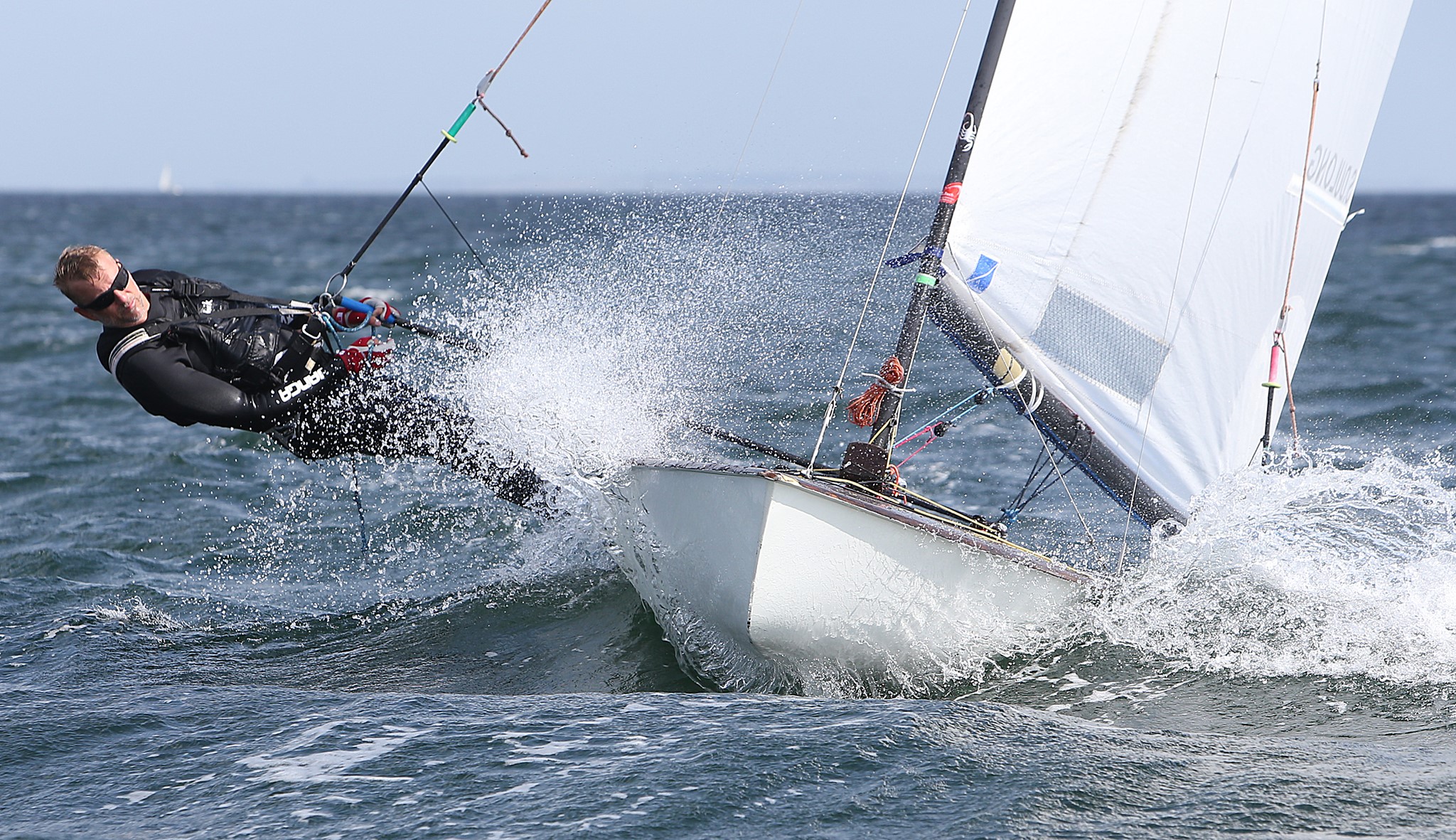
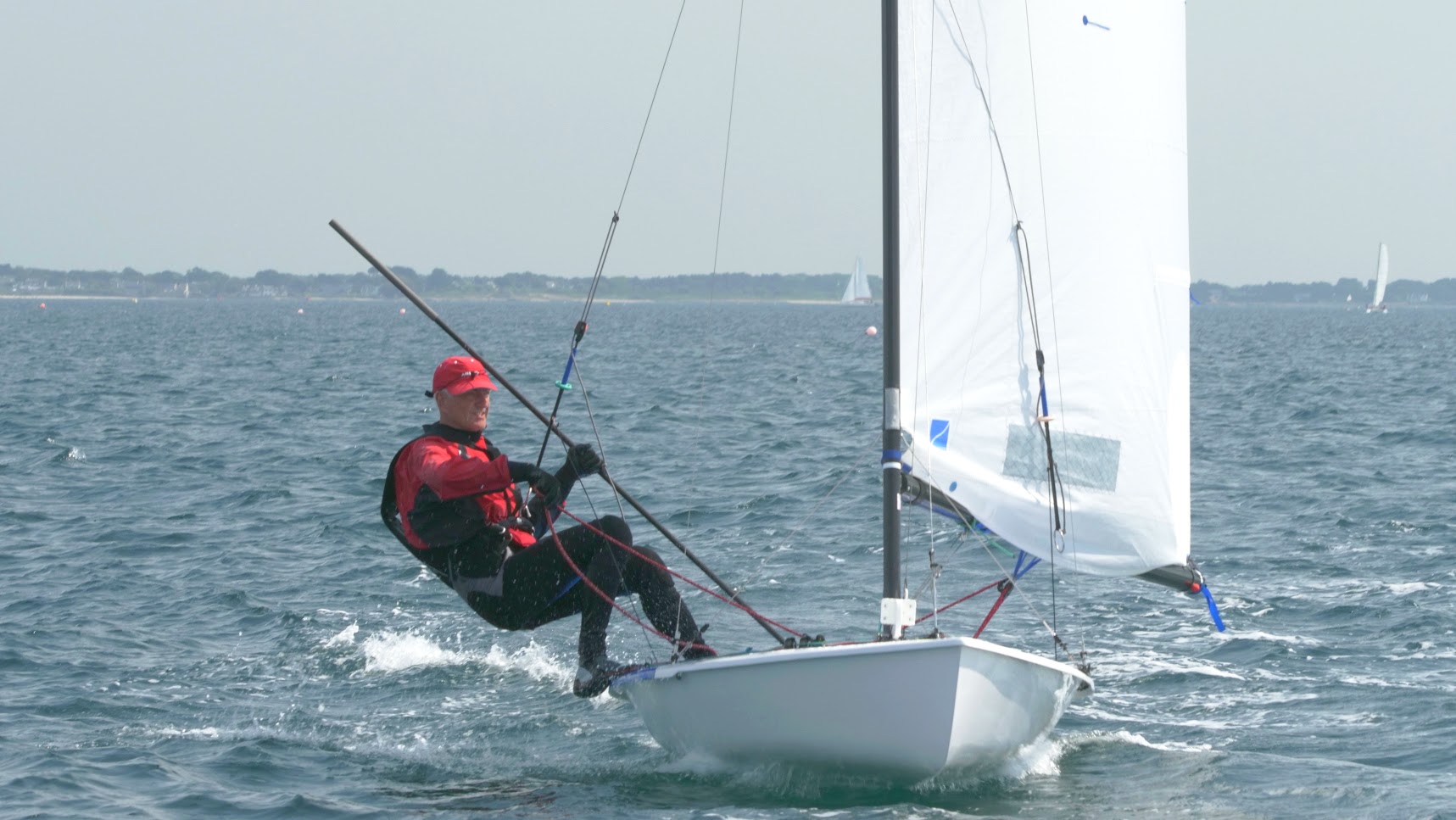
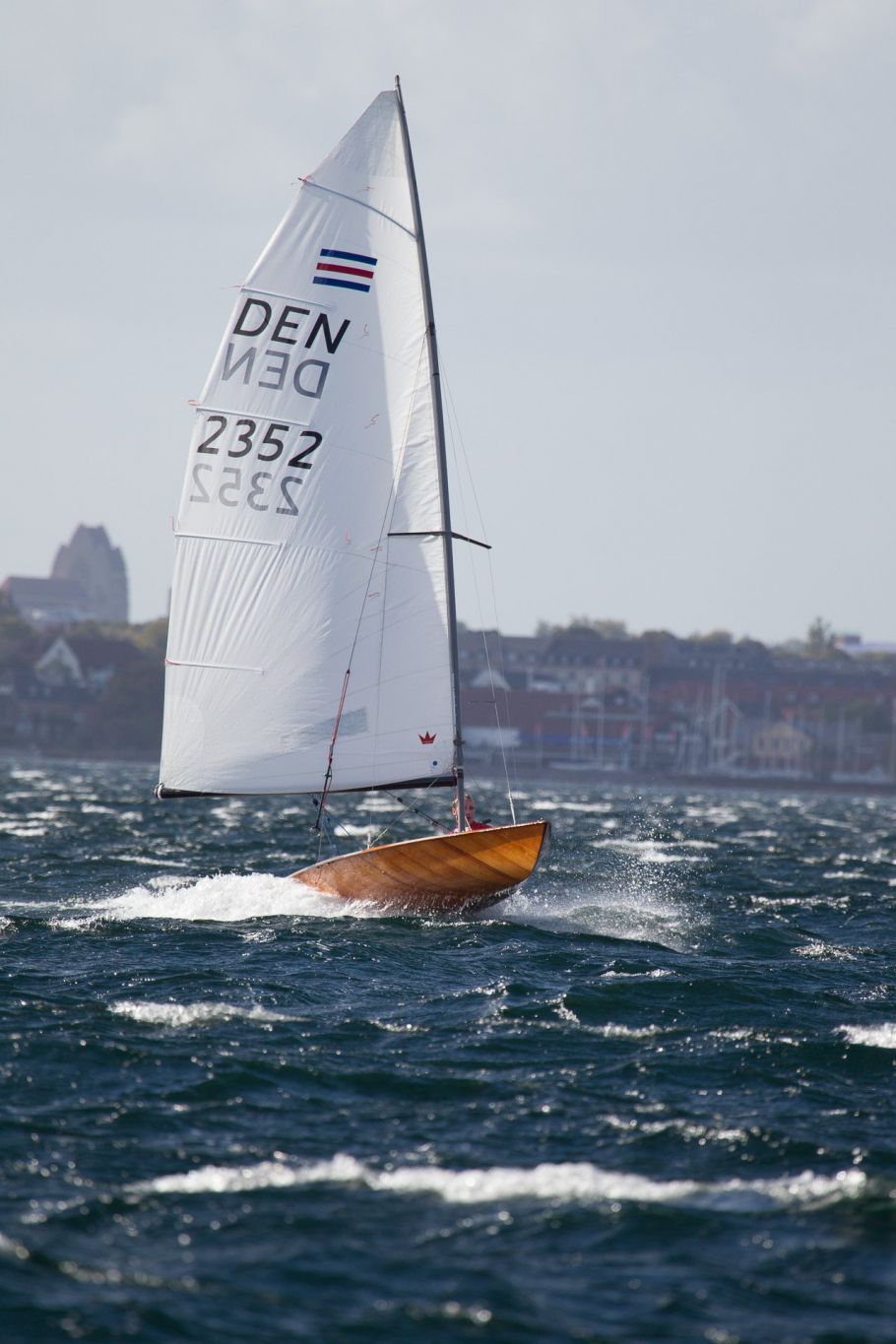
Spadseretur på sværd og mast
Noget mere afslappet og meget mindre selvhøjtideligt end Alex Thomsons kopi på Bugo Hoss.
Spadseretur på sværd og mast
Noget mere afslappet og meget mindre selvhøjtideligt end Alex Thomsons kopi på Bugo Hoss.
Forårets træningssamling sejles i Hellerup sejlklub i weekenden den 5-6 april.
Træner
Bjarke Johnsen, vinder af contender VM 2011.
Mad
Der vil være frokost lørdag og søndag.
Der vil være middag lørdag aften.
Overnatning
Jyder og andre med behov for overnatning angiv det på tilmeldingen. Så må vi se at få løst behovet.
Pris
Mad:100-150 kr.
Træning: Lidt usikkert hvad deltagerpris bliver
udfyld nedestående med krydser og send retur til mig!
En kæmpe bøn, venligst tilmeld(eller afmeld) jer hurtigt på mail til This email address is being protected from spambots. You need JavaScript enabled to view it., det gør det langt nemmere at planlægge træningsformen, indkøb af mad etc etc
" " Kommer til træningen
" " Deltager i middag lørdag aften
" " Ønsker overnatning
Frivillige
Angiv også ved tilmelding
" " Hjælper med indkøb og tilberedning af frokost
" " Hjælper med middag lørdag aften
" " Kan have " " til at overnatte
For eventuelle nye i klassen, træningen er for alle ligemeget niveau, så kom ud af busken, man lærer MEGET på sådan en weekend.
For de garvede, der vil have modstand: Top tre på den tyske rangliste og Jens Langendorf kommer til træningssamlingen.
MVH
Søren Andreasen
Den internationale contenderklasse har fået ny flot hjemmeside.
Der kan man også læse nogle korte kapitler om contenderens historie.
Den fulde historie findes i David Henshal's bog "Hooked On - The Contender Story"
Herunder gengiver vi de første kapitler fra ICA's hjemmeside om contenderens tilblivelse.
Læs bl. a.
Want to know more? David's book "Hooked On - The Contender Story" is out soon!
|
There are so many classes today, that it is hard to imagine a time when the choice of dinghy for a single handed sailor wanting to race internationally consisted of the International Canoe, the Finn or the OK. The Finn of course was very much ‘top dog’ as since 1952, it had been the Olympic dinghy, difficult to tune and with the then unsophisticated rig, making it something of a brute to sail. No wonder then that as the 1960s started to swing, sailors started looking for a boat where agility, rather than weight and body strength, would play a greater part in determining results. The path to improved performance had already been highlighted in 1962, with the lightweight flying scow from Peter Milne, the Fireball. This was a boat that was fun, fun, fun. What was now needed was a single handed dinghy that could offer the same thrills and spills. Eventually, the IYRU (now ISAF) agreed to sponsor a new performance single handed dinghy and published a set of criteria that allowed for a more powerful rig than was set on the Finn, that could be balanced by a sitting out ‘aid’. The choice of words is important, as sliding seats and other aids to extending the helm's weight outboard were deemed acceptable, but a trapeze was not. The view of the yachtsmen of the day, who ran sailing as a sport, was that sailing a boat single handed from the trapeze, let alone racing it, was ‘unseamanlike’! |
In the early 1960s, Finns, like this restored Fairey boat from that era, were very much the top singlehander. |
| To choose their new class, the IYRU held a set of trials at Weymouth in the autumn of 1965. The International Canoe was there, despite having been told in advance that even if it were to win the Trial Series, that it would not be selected.
The Finn was there, as a benchmark of performance. Solos, OKs and single handed Fireballs were sailed, along with a host of new designs. There was some consternation at Weymouth when Paul Elvstrøm turned up with his new Trapez dinghy, which as it utilised the trapeze, was clearly outside of the design remit. With four consecutive gold medals in the Finn, sailing in a boat that was hi-tech when compared with most of the other entries and that he knew very well, Elvstrøm was expected to race away with the nomination, but only if he was allowed to compete. Faced with prospect of turning away the biggest name in dinghy racing, the organisers relented. Elvstrøm raced, but although he quickly proved the potential of racing a dinghy from the trapeze, his performances were far from the expected horizon job. As the series progressed, it was the Canoe out in front, race after race, followed by the Trapez. Behind these two came the star turn of the series, David Thomas in his own designed ‘Unit’ dinghy. The IYRU now had a problem, as the Unit had a very valid claim, that having been the best of the correctly designed boats, that it should be rewarded with International status. The response of the IYRU was to call for a second set of Trials, this time to be held at La Baule. |
![]() Elvstrøm practising in his Trapez dinghy at
Lymington, on the South Coast of England. The rig was incredibly complex, with two sets of diamonds that Elvstrøm could adjust whilst sailing. The boat also featured some novel features, such as a one piece moulded rudder and tiller. |
|
Meanwhile, on the other side of the world, an Australian Skiff designer and sailor had also picked up on the IYRU search for a new dinghy. Away from the European influences that had resulted in boats such as the Trapez and Unit, Bob Miller instead drew on his skiff background to produce a boat that became known as ‘Miller’s Missile’. With a simple box section hull, featuring little rocker in the keel line, a fully battened main and a trapeze for the helm, the boat flew in breeze, but as Bob was to later admit, the boat “Sucked in the light stuff”. When it came to the next phase of the design process, Bob simply lifted the hull shape of the Flying Dutchman and shrunk it down until it met the design criteria. This was a far more seaworthy and practical boat, that Bob was to name the Dorothy, after his wife. With the next Trials as La Baule approaching, Bob needed to get his boat to Europe and being short of money, sought out a sponsor. An Australian company had recently launched a new sailcloth, that they had named ‘Contender’. They offered financial support to the new boat, which underwent a name change; Dorothy was dropped and the boat that was despatched to La Baule was now known as the ‘Contender’.
|
![]() A very old but rare picture of ‘Miller’s missile’,
Bob’s first attempt at designing a single hander. |
| To help the Contender along, through the difficult early days, a Launch Committee was formed from the ‘movers and shakers’ of the day to see the Contender through the process of getting builders and National Associations formed.
In this task they were soon to be joined by an irrepressible bundle of perpetual motion that went under the name of Freddie Gale. Freddie did not just get the boat established in the UK, as with his ever present partner in crime, Mike Baker, they promoted the new boat throughout Europe, making sure that the class had a true ‘international’ flavour.
Freddie Gale, 3rd from left, complete with friends,
a cigar clamped between the teeth, and a drink, at an event either in the Netherlands or Germany. Note Mike Beggs (with hair) in Slick Chick / K16 overall. (picture courtesy of Mike Baker / Suzie Gale) |
![]() |
| La Baule was hot, sunny and with light winds. This suited some of the competitors, but not those boats with a high wetted area. The Contender looked very racy; very light and with an incredibly low freeboard, and showed flashes of form when the wind did briefly arrive. For the rest of the time the helm was either in the cockpit or hunched up on the side deck, a feeling that we all know is hardly conducive to sparkling sailing. With this second set of Trials again inconclusive, the IYRU called for yet more, this time at Medemblik.
A revised Contender, with more sail area and freeboard competed and once the breeze arrived, ran away with the Selection Committee’s nomination. With the Contender now selected by the IYRU, the powerful ‘Finn = Olympic singlehander’ lobby defended their self interest, in preserving the status quo of classes selected for the Games. How would the IYRU turn their new singlehander into a fully fledged class with international appeal? |
![]() "Okay - where are the other 146 boats?"
By putting the number 147 on the sail, Bob Miller tried to give the impression that this was an existing class. The IYRU were 'not amused' |
![]() Bob Miller sailing ‘Skippy’, the boat that would eventually win the IYRU Selection Trials at Medemblik.
|
|
Den danske contenderklasses aktivitets- og kapsejladskalender er opdateret til 2014.
Se menupunktet kalender til venstre om danske kapsejladser og træningssamlinger i klassen i 2014.
Vores meget aktive tyske venner har også været i gang. Se tysk og international kapsejladskalender for 2014.
Dette års Contender-VM sejles i januar 2014 på Lake Macquarie i Australien.
Der varmes op med åbent australsk mesterskab fra den 16 - 18. januar.
VM sejles fra den 19 - 25. januar.
Lake Macquarie er en stor brakvandssø nord for Sydney og syd for Newcastle. Vejrprognoserne på denne tid af året lyder på relativ let vind.
Der sejles to sejladser dagligt på olympisk trekantbane med tre krydsben, to halvvindsben og en platlæns bl.a. for at udnytte contenderens høje hastigheder på halvvind.
Der er tilmeldt 66 Contenderjoller til dette års VM. Heraf er ca. to tredjedele fra Australien og ca. en tredjedel fra andre verdensdele- primært Europa.
Ingen danskere har valgt at deltage i dette års VM.
Læs mere og følg med på Contender-VM 2014's hjemmeside
VM i Contender sejles i lige årstal enten i Australien eller Nordamerika. I ulige årstal sejles VM i Europa.
I de lige år, hvor VM sejles oversøisk, sejles der også europamesterskab.
EM sejles i 2014 i uge 31 ved Kühlungsborn ved den tyske Østersøkyst. Her kan forventes stor dansk deltagelse.